
Do you find yourself putting an end to your swim season because the water is just too cold? If so, you may be mulling over whether a heat pump or a gas heater is the wiser buy for your Central Florida pool. And which one will put more money back in your pocket down the line?
Pool owners ask those questions all the time. The answer is a matter of how one puts the pool to use. For 20 years now, we at PoolTek Pool Services have been helping homeowners in this part of the state keep their pools in good comfort. Call (407) 553-9429 and we can put you on to the right heater for your setup.
In the end both types of heaters are there to do the same thing and warm your pool. They are not alike in how they get it done though, and each has its merits and demerits to consider before parting with your cash.
How Heat Pumps Work
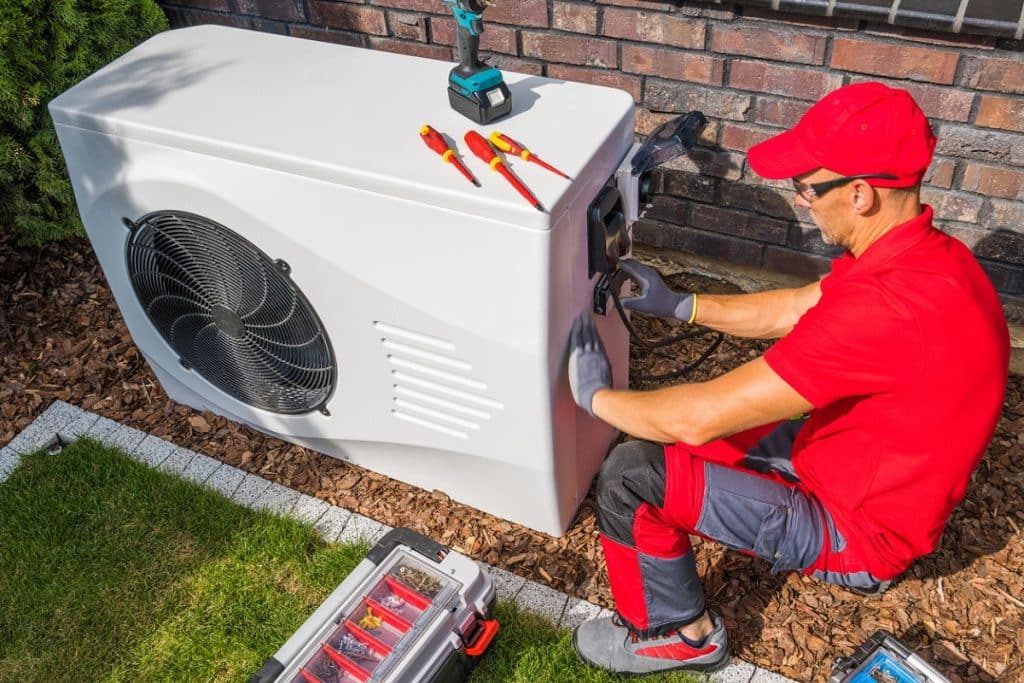
Unlike a gas heater, a heat pump does not make its own heat. It takes what is in the surrounding air and moves it into the pool. In our kind of climate that is very efficient.
Some of the plusses of a heat pump are:
- Efficient use of electricity means lower costs to run
- A good fit for the warmth of Central Florida
- Will outlast many a gas unit
- No need for a gas line or fuel storage
- An environmentally friendly way to go with no combustion
They are not ideal in every case, however. When the weather cools off you will see the drawback.
Other things to take into account:
- You pay more to have one put in
- It is a slower process to get the water up to temperature, on a cold day in particular
- Below the mid-50s the performance is not as good
- A dependable electrical source is required
How Gas Heaters Work
With a gas heater you are burning natural gas or propane to get the water hot. It is not dependent on the air outside so it can turn a pool around in short order.
Gas heaters excel in these areas:
- Fast heating, in an hour or two
- Any outdoor conditions
- Less expensive equipment than most heat pumps
- Good for a spa where hot water is wanted on a whim
- Suits the occasional or seasonal user
There are trade-offs. Fuel is the chief one.
The usual downsides are:
- Ongoing cost of fuel adds up with use
- Not as long lived as a heat pump
- You need a gas line or to have propane delivered
- Emissions from the burning of fuel
- Can be pricier to operate month in and month out
Which One Is Right for Your Pool?
It is a question of how much you swim and what you want from the unit.
Our Central Florida climate is well suited to a heat pump. Should you be a regular swimmer looking to have your season last most of the year, it is the better financial move in the long term. The warm air is all it needs to work efficiently and hold down the monthly tab.
A gas heater is more your type if you only put some heat in the pool once in a while or have a spa. The initial outlay is less and you only fire it up when called for. For the person who gets in the water a few times in the colder months the speed is worth it.
Then there is the long view. A heat pump runs cheaper and has a longer life, offsetting the steeper price tag after a few years. A gas unit is cheaper to acquire but you will be running and perhaps replacing it sooner.
There is no one size fits all. It comes down to the size of the pool, the budget and your habits.
Let PoolTek Help You Decide
We can make the choice easier. Our technicians are verified employees with background checks and we have an in-house repair department. We have been in Central Florida for over 20 years and can examine your pool and discuss what you need.
We give free estimates so there is no hard sell in determining what is best for your pool. Give us a ring at (407) 553-9429 and we will have your pool warmed up for another day of swimming.