
Noisy pool equipment could indicate failed mechanical parts, system leaks, or obstructions. Left unchecked, these and other underlying problems can shorten the lifespan of pumps, heaters, filters, and more. Fortunately, there are several easy ways to keep your pool equipment operating quietly.
Address Friction and Vibration Around Your Pool Pump
Most pool equipment noise originates from pool pumps. Among the most common causes of louder-than-normal sounds are excess friction and vibration. Your pool pump might have loose parts or an unstable installation.
Not all pool pumps fit swimming pools perfectly, and yours might need an anti-vibration pad. This will mute sound and reduce friction by preventing the pump from hitting the pool’s sidewall. It will also slow ongoing wear and extend your pump’s lifespan.
Check for and Correct Cavitation
If your pool pump is making loud gurgling sounds, it may have a problem with cavitation. This occurs when the pump demands more water than what is being supplied. With reduced water pressure, the water inside the pump produces noisy vapor bubbles. You can resolve this issue by identifying the cause of the flow restriction and fixing it. The solution could be as easy as cleaning the skimmer basket or pool filter.
Other common causes of cavitation include stuck or damaged valves, faulty union seals, and leaky oil rings. Cavitation can also result from cracks within the plumbing.
Tighten Loose Components
Make sure that both the pump and its motor are securely attached to the equipment pad. Look for and tighten loose bolts. You can also quiet rattling and clanging sounds by tightening your pump’s lid.
Replace Worn Motor Bearings
If your pool pump is emitting high-pitched squeals, it could have worn motor bearings. You can ask your pool technician to replace old bearings. However, if your pool pump is 10 years old or older, it may be time to replace it. Upgrading to a variable-speed pool pump will reduce both pump noise and energy use.
Remove Debris From the Impeller
Loose debris can bypass pump baskets and get trapped. When that happens, it can cause tinny, rattling sounds during operation. Check for leaves, twigs, and other debris in the pump’s impeller. Before clearing the impeller, turn the pump off.
Troubleshoot Your Pool’s Heat Pump
Heat pumps in pools have compressors and large fans, and they make noises similar to those of household heat pumps. You can dampen normal operating sounds by installing an anti-vibration blanket or adding a sound blanket to the compressor. You can also check the heat pump’s fan blades for trapped debris. For best results, catch up on preventive heat pump maintenance.
Bleed Your Sand Filter
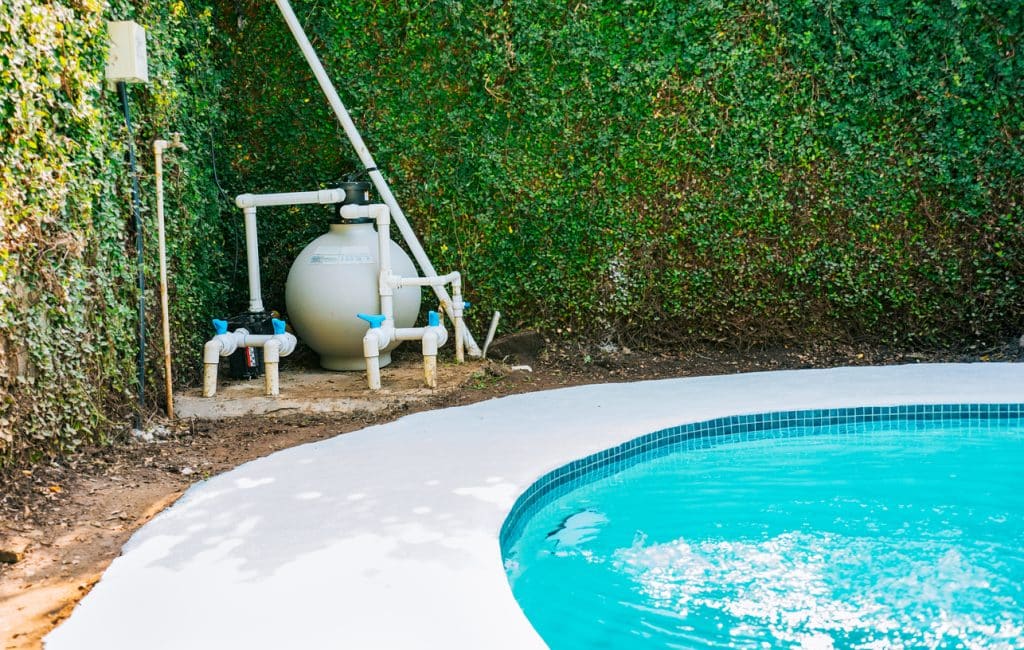
If you have a noisy sand filter, it may have trapped air or too much vibration. You can bleed the filter by opening the relief valve until water shoots out. This will eliminate air pockets. To reduce vibrations, tighten all loose PVC pipes with rubber-lined clamps.
Maintain Your Pool’s Gas Heater
Gas heaters should always operate quietly. If your gas heater is making loud sounds, you may need to descale its heat exchanger, adjust the unit’s gas pressure, or check its bypass valve. The safest way to resolve gas heater problems is to hire a professional.
Noisy pool equipment makes relaxing outdoors less enjoyable. It can also indicate hidden issues. By carefully maintaining your equipment and installing the necessary sound and vibration-suppression accessories, you can keep everything running smoothly. If you have concerns or require pool equipment services, contact Pooltek Pool Services in Orlando, FL.